

Before you begin: the basics
Steroid creams and ointments are a cornerstone of treatment for inflammatory skin conditions such as eczema, psoriasis and contact dermatitis. They work by reducing inflammation, soothing itch and allowing the skin to heal. But how you apply them matters just as much as what you apply. A few simple habits can make your treatment more effective and reduce the risk of side effects. Always follow the instructions on your prescription or from your GP, dermatologist or pharmacist. If anything is unclear, ask – no question is too small.
Getting the amount right: the fingertip unit
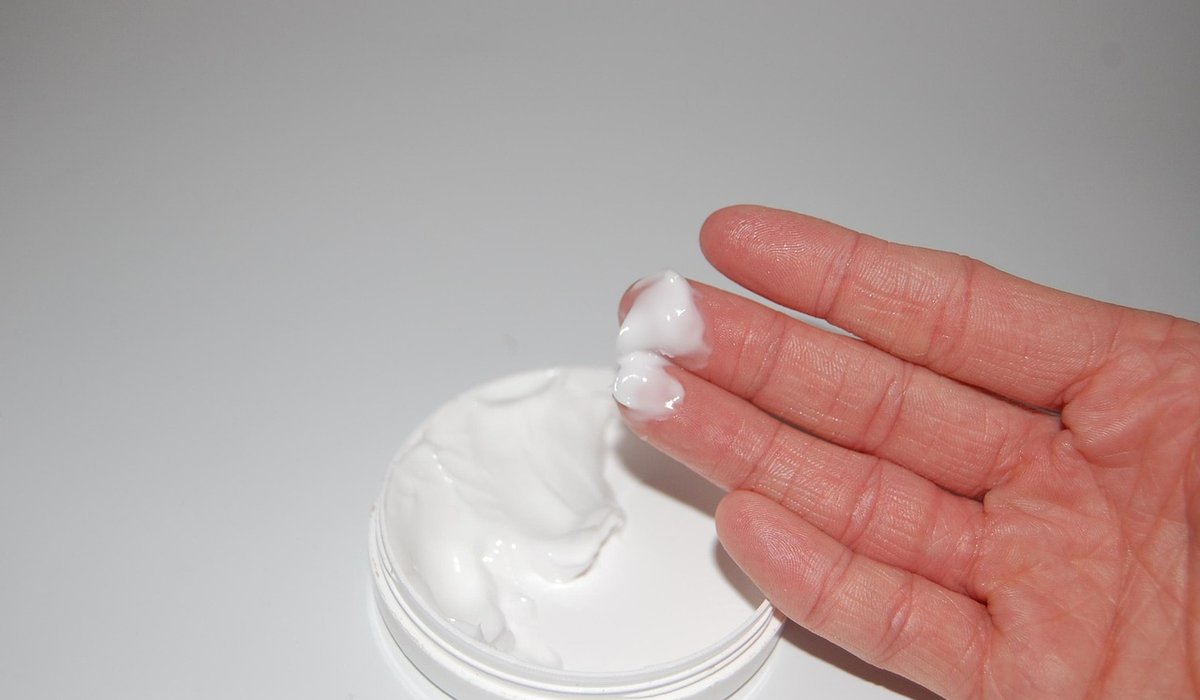
Using too much steroid cream can thin the skin and cause other problems; using too little may mean it does not work. The best guide for adults is the fingertip unit (FTU). Squeeze a line of cream from the tip of your index finger to the first crease – that is one FTU. It covers an area of skin roughly the size of two flat adult palms.
Here is a rough guide for a single application:
- One hand (front and back, including fingers): 1 FTU
- One arm (including elbow): 3 FTU
- One leg (including knee and ankle): 6 FTU
- Front of trunk (chest and abdomen): 7 FTU
- Back and buttocks: 7 FTU
- Face and neck: 2.5 FTU
For children, the same FTU covers a larger proportion of their body, so use less – often half an FTU or a pea-sized amount for the face. Your prescriber may give specific guidance. When in doubt, apply a thin film that just glistens on the skin. You should not see a thick white layer.
How to apply: gentle and thin
Wash your hands before you start, unless you are treating your hands. Clean the affected skin gently with lukewarm water and pat it dry with a soft towel. Do not scrub or use harsh soaps. Squeeze the correct amount onto your fingertip or a clean spoon, then dot it thinly over the affected area. Smooth it in the direction of hair growth – this reduces the risk of irritating hair follicles. Do not rub vigorously; the cream does not need to disappear completely. It will absorb over time.
If you are applying steroid to a child or someone else, wear disposable gloves or wash your hands thoroughly afterwards. Avoid applying to broken skin, open wounds or areas that look infected (for example, weeping or crusted) unless your doctor has specifically advised it. Never use a steroid cream on the eyelids unless prescribed, and do not use it on the face for longer than your doctor recommends.
Caring for your hands and special areas
Hands are often affected by inflammatory skin conditions, and treating them requires a little extra thought. Apply the cream to the backs of your hands and between your fingers, but remember that your palms are thicker and may need a different approach. After applying, try to avoid washing your hands for at least 30 minutes so the medication can work. If you must wash, use lukewarm water and a mild soap-free cleanser, then pat dry.
For skin folds – under the arms, in the groin, under the breasts – use a very thin layer and only for the short period your doctor advises. These areas absorb steroid more readily, so side effects are more likely. If you use a steroid cream on your hands and then need to prepare food or change a nappy, wash your hands thoroughly first, or wear gloves.
After applying: washing and emollients
If you have applied steroid cream to your body, wash your hands straight away with soap and water – unless your hands are part of the treated area. This prevents accidentally transferring steroid to your face, eyes or other sensitive areas. If you are treating your hands, wait at least 30 minutes before washing them, and then only if necessary.
Emollients (moisturisers) are essential for inflammatory skin conditions. Apply your emollient first, wait about 30 minutes, then apply the steroid cream. This order helps the steroid work without being diluted. Alternatively, some people apply steroid first thing in the morning and emollient later – follow your prescriber’s advice. Never mix the two in your hand; apply them separately.
When to ask for help
Steroid creams are safe when used correctly, but they are not for indefinite use. Contact your GP, dermatologist or pharmacist if:
- Your skin is not improving after a week or two of treatment
- You notice thinning skin, stretch marks, or easy bruising
- The treated area becomes increasingly red, hot, swollen or painful
- You have used a steroid cream for longer than recommended without review
- You are unsure how much to use or how often to apply it
Do not stop using a prescribed steroid suddenly if you have been using it for a long time – your doctor may advise a gradual reduction. Store your creams in a cool, dry place, away from direct sunlight, and check the expiry date. With the right technique, steroid creams can calm inflammation, relieve itch and help your skin heal – safely and effectively.


Coding is used in almost all aspects of life and work now, be it directly or indirectly. It’s not just for companies in the tech sector. “An increasing number of businesses rely on computer code,
Coding is used in almost all aspects of life and work now, be it directly or indirectly. It’s not just for companies in the tech sector. “An increasing number of businesses rely on computer code,
Coding is used in almost all aspects of life and work now, be it directly or indirectly. It’s not just for companies in the tech sector. “An increasing number of businesses rely on computer code,